
20/03/2026
The UK Fuel Squeeze 2026: What’s Really Going On, What Government Plans Say, and What Might Happen Next
How we got here
Global shock meets UK forecourts
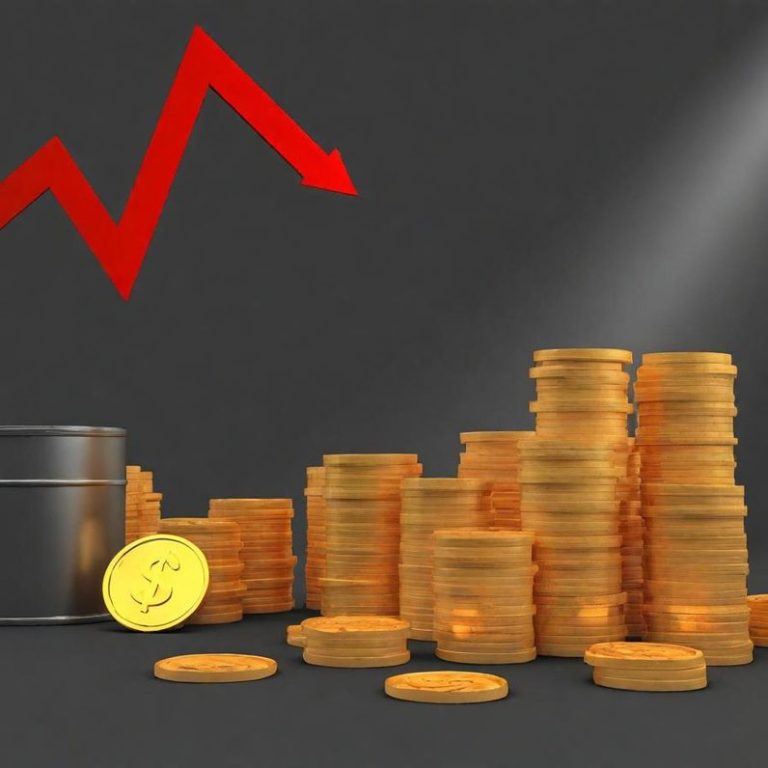
Middle East conflict and Iran: Since late February, conflict involving Iran has pushed up the wholesale price of oil sharply.
Between 26 February and 12 March 2026, oil rose from just over £51 per barrel to nearly £72, briefly peaking around £85.
That surge has fed directly into UK pump prices, with both petrol and diesel now at their highest levels since late 2024.
What prices look like now
By mid‑March 2026, average UK prices were around 141.5p per litre for unleaded and 160.3p for diesel, according to RAC data reported across UK outlets.
Diesel has risen about 18p per litre since the start of the current Middle East crisis, a jump of roughly 13%, putting it at its most expensive since November 2023.

Why diesel feels worse
Diesel is more exposed to global supply and refining constraints, and it powers:
- Haulage and logistics
- Agriculture
- Many vans and company cars
That means higher diesel prices ripple into delivery costs, food prices, and services, not just what drivers pay at the pump.
What the government is planning
The National Emergency Plan for Fuel
The UK isn’t in formal rationing, but the National Emergency Plan for Fuel (NEP‑F) — a long‑standing framework updated in 2024 — has moved centre stage again.
The plan sets out tools government can use if there’s a “major fuel supply disruption,” including:
- Purchase limits at petrol stations.
- Reduced opening hours at forecourts.
- Priority access for essential services (NHS, police, public transport, utilities).
- Statutory powers under the Energy Act 1976 to direct supply and manage distribution
These are contingency options, not automatic triggers, but ministers have refused to rule them out as prices climb.
Rationing talk: what it would actually look like
Recent reporting on internal planning gives a clearer picture of what rationing could mean in practice:
- Per‑transaction caps: proposals model a £30 fuel purchase limit per visit, to spread supply more evenly.
- Shorter opening hours: forecourts could be required to reduce hours to manage demand and logistics.
- Priority lanes or sites: some stations or pumps reserved for emergency and critical workers.
- Enforcement via existing powers: all under the NEP‑F and Energy Act 1976, which allow government to intervene in distribution during a “significant shortfall.”
Officials are stressing that this is precautionary planning, not a sign that shortages are imminent but the fact it’s being publicly discussed tells you how seriously they’re taking the risk.
Speed limits as a fuel‑saving tool
Another lever in the NEP‑F toolbox: temporary speed restrictions.
- Government planning documents and reporting describe the option of a 50mph national speed limit to cut fuel consumption if supply tightens.
- The logic is simple: lower speeds = lower fuel burn across millions of daily journeys, buying time while supply issues are managed.
Fuel duty: frozen now, but not forever
Fuel duty is a separate but important piece of the puzzle:
- The 5p cut to fuel duty introduced in March 2022 remains in place for now—duty is frozen until September 2026.
- From September, that temporary cut is due to be phased out, effectively raising duty for the first time since 2011.
- The government has said it will “keep the situation under review in light of what is happening in Iran”, so there is political room to delay or soften that rise—but no guarantee.
For drivers, that means today’s pain is mostly market‑driven; later in the year, tax policy could add another layer.
Lorem ipsum dolor sit amet, consectetur adipiscing elit. Nulla euismod condimentum felis vitae efficitur. Sed vel dictum quam, at blandit leo.
Who is feeling it most, and where?
Regional differences
While exact figures move daily, the pattern is familiar:
- London and the South East tend to sit at the top end of the price range.
- More rural and peripheral regions often see higher diesel prices due to distribution costs.
- Supermarkets vs independents: supermarkets usually undercut branded forecourts by several pence per litre, which is consistent with current RAC and consumer‑group commentary.
For Thrifty AF readers, the key point is that postcode matters—two towns 10 miles apart can differ by several pence per litre.
Households and businesses
- Commuters: longer‑distance drivers and those without good public transport options are hit hardest.
- Small businesses and trades: van‑heavy operations see immediate cost increases that are hard to absorb.
- Haulage and logistics: higher diesel costs feed into food and retail prices, adding to wider inflation pressure.
---
What’s likely in the coming days and weeks
This is where we move from hard data to evidence‑based expectations—grounded in current prices, government statements, and the structure of the NEP‑F.
1. Continued volatility, not instant relief
Given:
- Ongoing conflict affecting Iran and the wider region
- Recent sharp moves in wholesale oil prices
…it’s reasonable to expect choppy prices rather than a quick drop. Daily and weekly swings are likely, especially for diesel.
2. Rationing remains a live but last‑resort option
Based on the NEP‑F and recent ministerial positioning:
- Short term:
- Government is more likely to lean on non‑statutory measures first—industry coordination, public messaging, and voluntary restraint.
- If supply genuinely tightens (for example, if key shipping routes are disrupted or refinery output drops):
- Expect purchase caps and priority access to be the first formal tools used.
- A 50mph limit could follow if they need a visible, nationwide consumption cut.
There is no public indication that these are about to be triggered—but the fact that plans are being briefed and reviewed means they’re on the table.
3. Political pressure around September’s duty change
As we move closer to September 2026:
- If prices are still elevated, the scheduled phasing‑out of the 5p duty cut will become a major political flashpoint.
- The government has already signalled it will “keep under review” how events in Iran affect that decision.
- For drivers, that means the tax element of pump prices is now a moving, political variable—not a fixed backdrop.
4. Knock‑on effects for the cost of living
If high prices persist for weeks and months:
- Transport‑linked inflation (food, parcels, building materials) is likely to stay under upward pressure.
- Households already squeezed by housing and food costs will feel fuel as another non‑negotiable bill.
- Any move to ration or restrict supply—even if well‑managed—will likely trigger behavioural shifts: more trip‑combining, car‑sharing, and demand for cheaper public transport options.
---
Thrifty AF angle: practical, not panicked
Here’s how you can frame this for your audience—calm, useful, and very UK‑specific.
What drivers can do right now
- Shop by postcode, not habit:
Use price‑comparison tools and local Facebook groups to find consistently cheaper forecourts—supermarkets still tend to undercut branded sites by a few pence per litre.
- Lean on loyalty and cashback:
- Supermarket loyalty schemes
- Fuel‑linked credit/debit card offers
- App‑based rewards (e.g. points per litre)
- Drive like fuel is expensive—because it is:
- Smooth acceleration and braking
- Keeping tyres correctly inflated
- Avoiding unnecessary weight and roof racks
These are small wins individually, but they compound over weeks of high prices.
How to “future‑proof” a bit
- Keep at least ¼ tank where possible:
Not panic‑buying, just avoiding being forced to fill up on the worst‑priced day or at the most expensive station if rationing or local shortages flare up.
- Plan for September as a risk point:
Treat the scheduled fuel duty change as a potential extra cost in your household budget—even if it’s later delayed. If it doesn’t happen, that’s a bonus; if it does, you’re not blindsided.
- Watch policy, not just prices:
Any government announcement about:
- NEP‑F activation
- Speed limit changes
- Duty decisions
will matter as much as the daily RAC price updates.